As the Alabama Department of Transportation (ALDOT) continues preparations for a potential winter weather event this weekend, one of the biggest challenges crews face is treating roadways when rain falls ahead of freezing temperatures.
Why rain before ice complicates roadway pretreatment
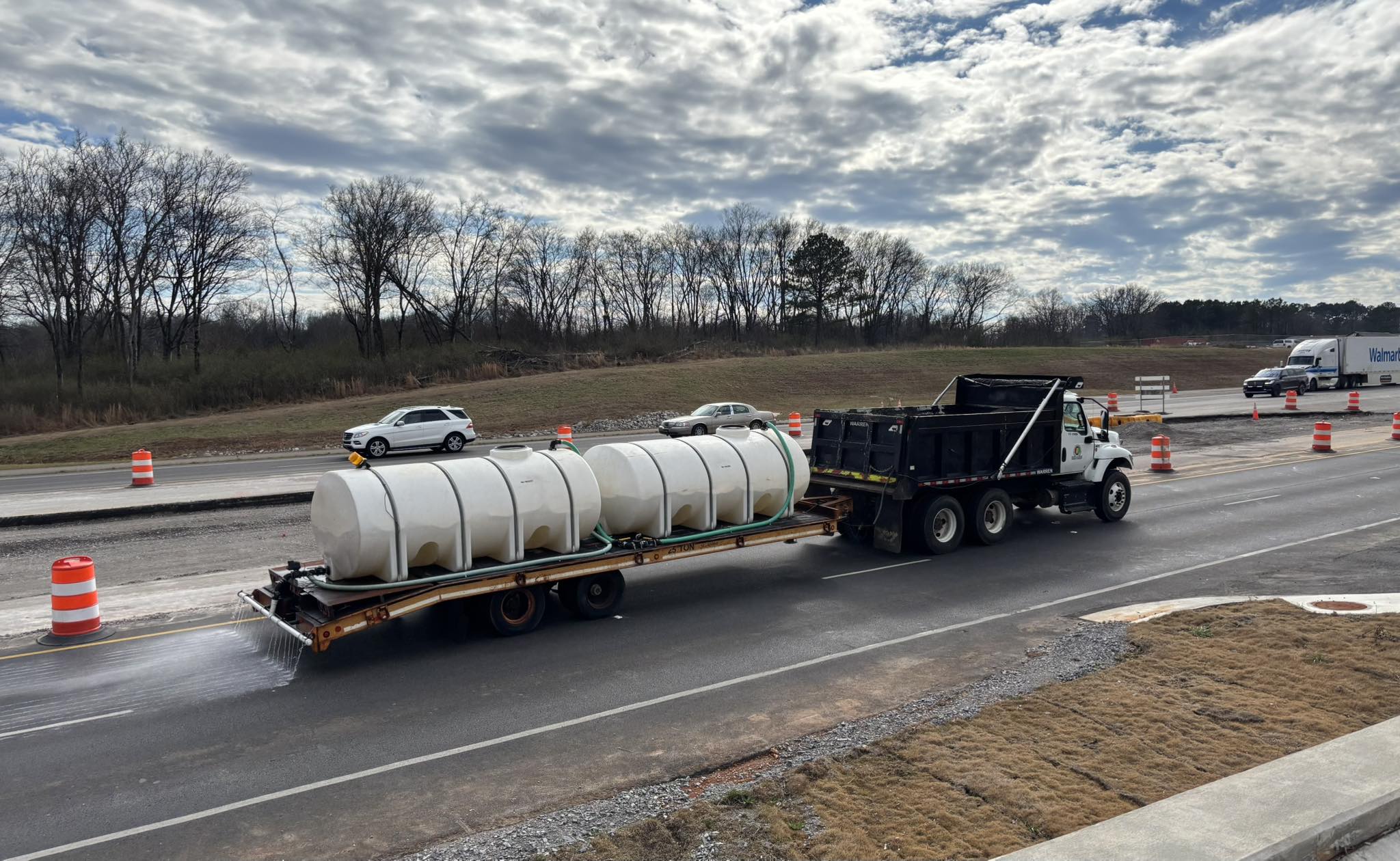
Pretreating roadways with brine or other anti-icing materials can be one of the most effective tools ALDOT has to help prevent ice from bonding to the pavement. However, when rain occurs before or during the onset of freezing rain, sleet, or snow, it can significantly reduce the effectiveness of those pretreatment efforts.
Rain can wash away pretreatment materials before freezing conditions begin. When that happens, roadways may not see the same benefit from pretreatment that they would under dry conditions.
Pretreatment is designed to create a thin liquid barrier between the pavement and ice, making it easier to keep roads passable and allowing first responders to respond more efficiently once winter precipitation begins. When rain removes that barrier, ALDOT crews are often forced to shift from proactive measures to reactive ones, treating roadways after ice forms rather than ahead of time.
Adapting winter weather wesponse to real-time conditions
Winter weather response plans must remain flexible and are highly dependent on real-time conditions and evolving forecasts. In situations where rain precedes freezing temperatures, ALDOT may delay pretreatment or focus resources on critical locations such as bridges, overpasses, and high-traffic interstates and highways once freezing conditions begin. It’s also important to note that pretreatment and response plans vary from one area of the state to another based on forecasts, conditions, and a variety of other factors.
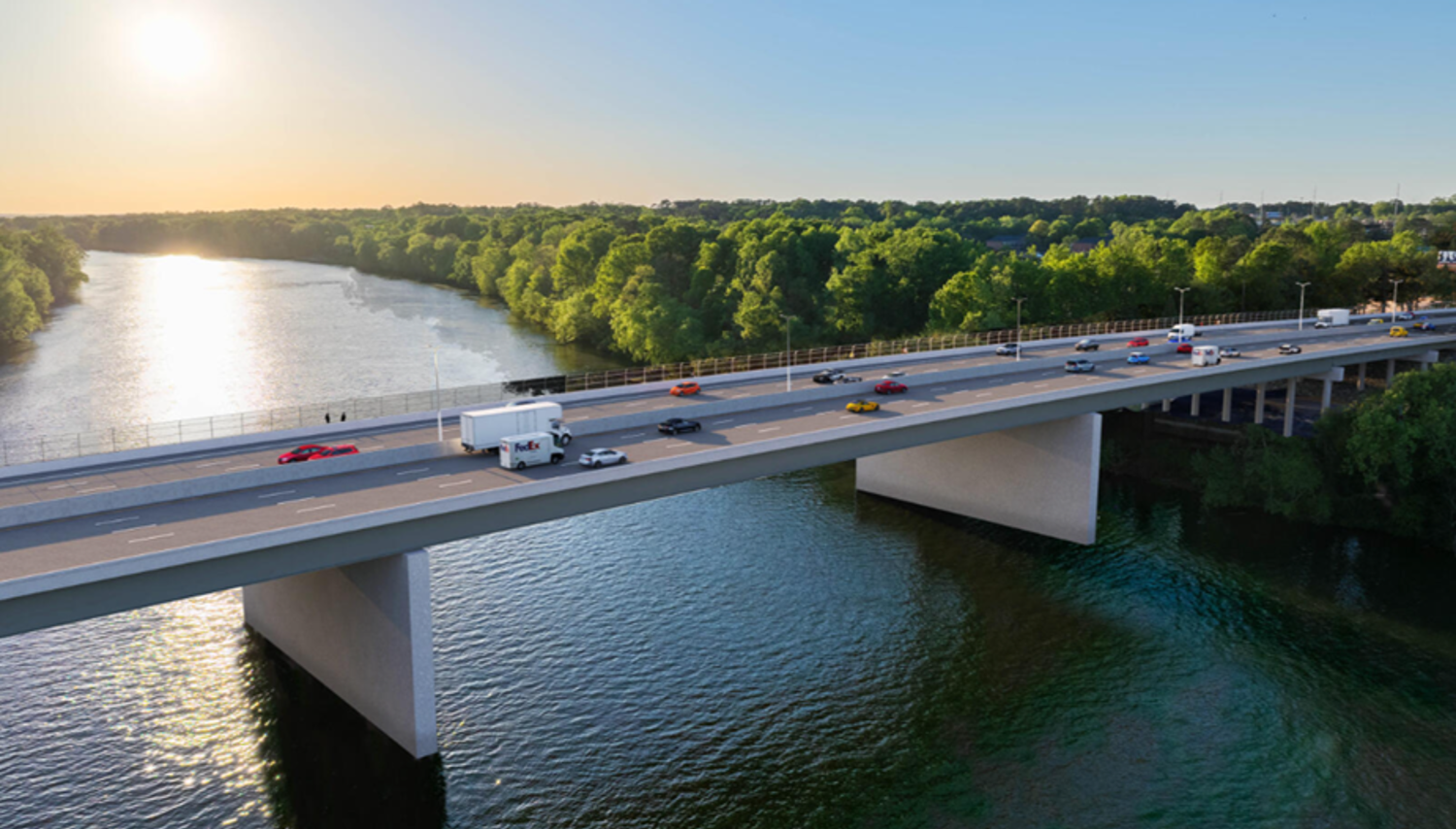
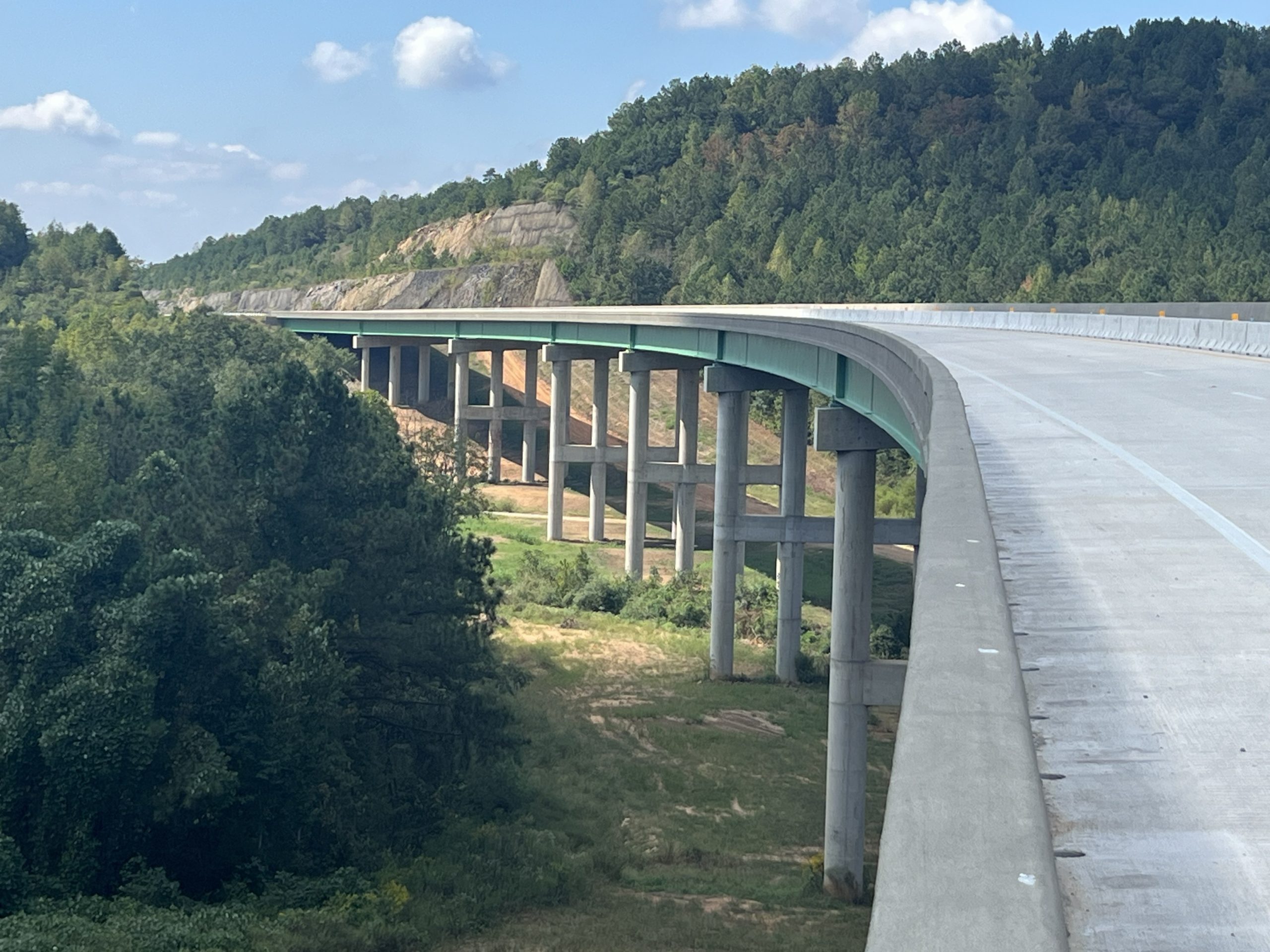
Bridges and elevated roadways freeze more quickly than surface roads and remain a top priority during winter weather events. Interstate routes are prioritized for treatment, followed by U.S. and state routes based on traffic volume and safety needs.
ALDOT reminds drivers that even with pretreatment and active winter weather operations, road conditions can still become hazardous, especially when rain transitions to ice. Unfortunately, there is no single solution that can completely eliminate these risks.
Tips for motorists during winter weather
ALDOT urges motorists to take winter weather seriously and make safe decisions before heading out. Even treated roadways can become hazardous, especially when rain transitions to freezing conditions.
- Avoid travel until conditions improve: Once winter precipitation begins, ALDOT urges motorists to avoid travel during adverse weather and roadway conditions.
- Slow down: If travel cannot be avoided, reduce your speed and increase your following distance, allowing extra room to stop. Plan additional travel time to reach your destination.
- Be aware of black ice: Bridges and overpasses are particularly susceptible to black ice, which is a clear, transparent layer of ice that is not visible to drivers.
- Avoid sudden braking and steering: These actions can cause your vehicle to lose control.
- Turn on your headlights: This will make your vehicle more visible to other drivers.
- Avoid using cruise control on icy roads: This can cause you to lose control of your vehicle if you hydroplane.
- Watch for workers: Be aware of emergency personnel and crews treating and clearing roadways.
- Move crashed vehicles: In the event of a minor crash, safely move vehicles off the roadway if possible, to maintain access for first responders and treatment crews. Do not abandon vehicles in travel lanes.
Stay informed
Motorists are encouraged to stay informed about road conditions and visit ALDOTNews.com, ALGOTraffic.com or download the ALGO Traffic app, as well as follow ALGO Traffic on X (formerly Twitter) and ALDOT on Facebook. Follow regional operation accounts on Facebook and X for more local information:
- ALDOT North Region Facebook, X (formerly Twitter): (Cherokee, Colbert, Cullman, DeKalb, Etowah, Franklin, Jackson, Lauderdale, Lawrence, Limestone, Madison, Marshall, and Morgan counties)
- ALDOT West Central Region Facebook, X (formerly Twitter): (Bibb, Chilton, Fayette, Greene, Hale, Lamar, Marion, Perry, Pickens, Sumter, Tuscaloosa, Walker, and Winston counties)
- ALDOT East Central Region Facebook, X (formerly Twitter): (Blount, Calhoun, Chambers, Clay, Cleburne, Coosa, Jefferson, Randolph, Shelby, St. Clair, Talladega, and Tallapoosa counties)
- ALDOT Southeast Region Facebook, X (formerly Twitter): (Autauga, Barbour, Bullock, Butler, Coffee, Covington, Crenshaw, Dale, Dallas, Elmore, Henry, Houston, Geneva, Lee, Lowndes, Macon, Montgomery, Pike, and Russell counties)
ALDOT Southwest RegionFacebook, X (formerly Twitter): (Baldwin, Choctaw, Clarke, Conecuh, Escambia, Marengo, Mobile, Monroe, Washington, and Wilcox counties)